If you’ve ever wondered how professional pastry chefs create those irresistible crunchy layers inside chocolate cakes, pralines and desserts, the secret is often Pailleté Feuilletine.
Made from delicate French crêpes dentelle, these light, crispy flakes add texture, buttery flavour and a satisfying crunch without overpowering the dessert. Although it’s widely used in professional pâtisserie, it’s just as easy to use at home.
In this guide, we’ll explain what Pailleté Feuilletine is, where it comes from and why it has become a staple ingredient in pastry kitchens around the world.
What is Pailleté Feuilletine?
Pailleté Feuilletine consists of thin flakes made by crushing crêpes dentelle, a traditional French lace biscuit known for its delicate, crispy texture.
The flakes have a subtle buttery caramel flavour and a light crunch that works beautifully with chocolate, praline and nut pastes. Unlike crushed biscuits or cereals, feuilletine stays light and crisp, making it perfect for adding texture to desserts without making them heavy.
One of its biggest advantages is that it remains crunchy when mixed with fat-based ingredients such as melted chocolate or praline paste.
A Little History
Pailleté Feuilletine has its origins in Brittany, a region in north-west France famous for its crêpes and biscuits.
The ingredient comes from crêpes dentelle, paper-thin crispy crêpes first created in the late 19th century. Their delicate lace-like appearance inspired the name dentelle, the French word for “lace”.
Today, these crisp crêpes are crushed into flakes and used by pastry chefs around the world to create the signature crunchy layers found in many modern desserts.
Gavottes vs Feuilletine: What’s the Difference?
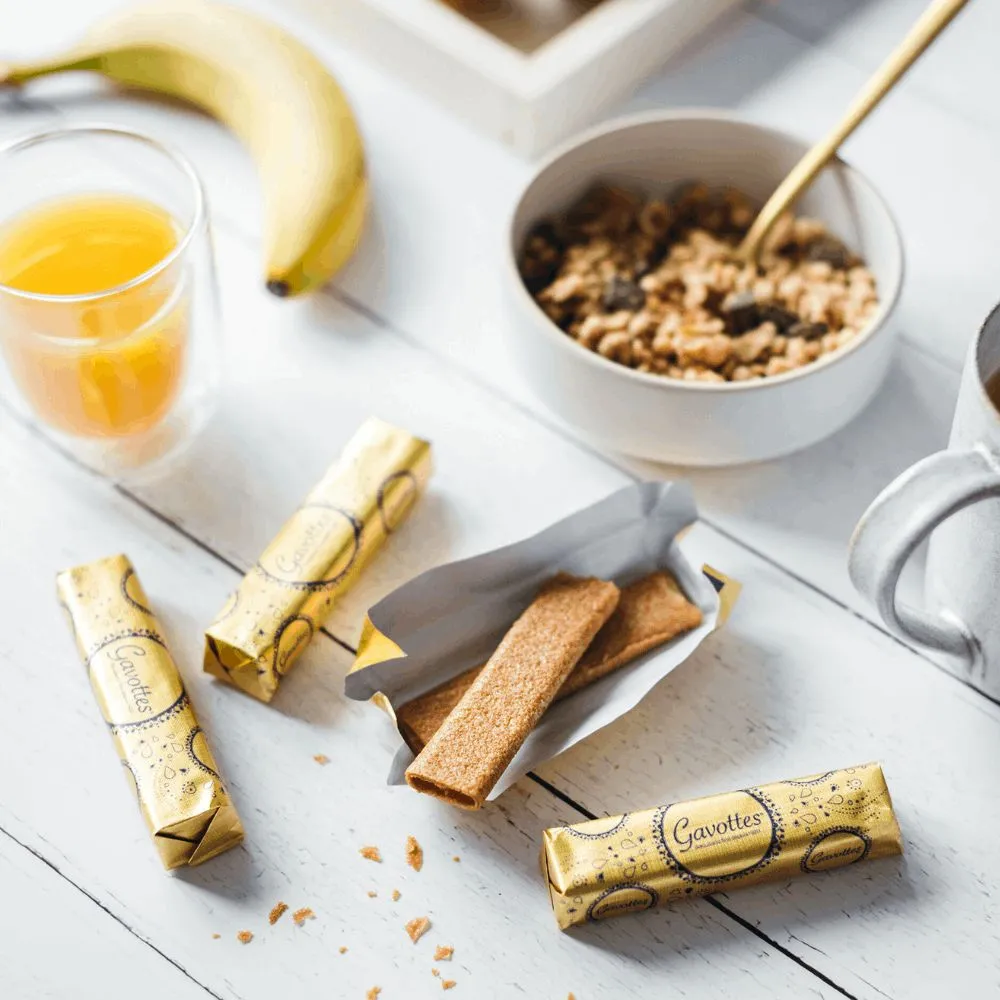
Gavottes is the well-known French brand that produces traditional crêpes dentelle biscuits.
Pailleté Feuilletine refers to the crispy flakes made by crushing those biscuits. One of the manufacturers producing feuilletine for professional baking is Barry Callebaut, whose Pailleté Feuilletine is widely used by pastry chefs.

Why Do Pastry Chefs Use Pailleté Feuilletine?
Professional pastry chefs use feuilletine because texture is just as important as flavour.
It adds a delicate crispness to desserts while remaining easy to work with.
Pailleté Feuilletine is perfect for:
- Chocolate and praline crunch layers
- Mousse cakes and entremets
- Homemade chocolates
- Cheesecakes
- Tart bases
- Dessert decorations
Because it’s ready to use, it allows home bakers to recreate professional-style desserts with very little effort.

with our 6 easy Common Mistakes to Avoid
Mixing it directly into cream
Feuilletine softens when mixed with water-based ingredients such as cream or milk. For the best crunch, mix it with melted chocolate or praline before adding it to your dessert.
Leaving it exposed to air
Store feuilletine in a sealed container after opening. Moisture will quickly reduce its crisp texture.
Adding it too early as a topping
If you’re sprinkling feuilletine over a dessert, add it just before serving to keep it nice and crunchy.
Discover More Ways to Use Pailleté Feuilletine
Now that you know what Pailleté Feuilletine is, why not try it in your own baking with our 6 Easy Recipes using Paillete Feuilletine? From chocolate crunch layers to creative desserts, it’s an easy way to add a professional touch.
FAQs
Cornflakes provide crunch but have a different flavour and texture. Feuilletine offers a finer, lighter crispness with subtle buttery caramel notes.
No. It is made from wheat flour and is not suitable for a gluten-free diet.
Chocolate contains very little water, allowing the flakes to stay crisp. Water-based ingredients such as cream gradually soften them.
Yes. Chocolate-based feuilletine layers freeze well, making them ideal for preparing desserts in advance.
Pailleté Feuilletine is available from BonneBouffe, where you’ll find Barry Callebaut Pailleté Feuilletine for home bakers and pastry enthusiasts.