
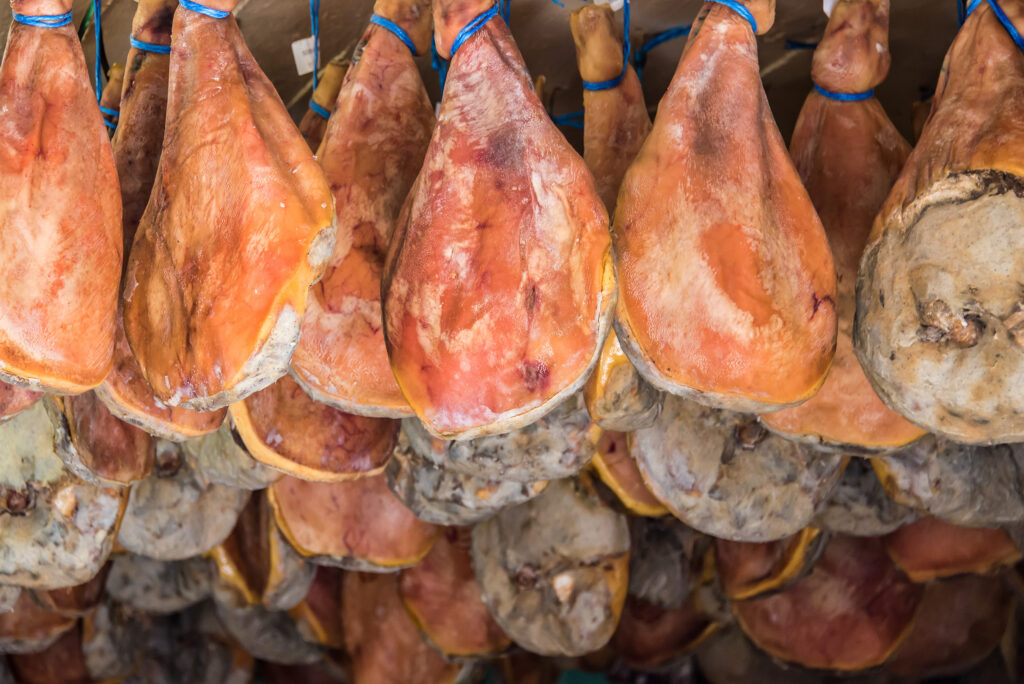
Bayonne ham PGI, or Jambon de Bayonne, is one of the most recognisable cured hams from the south-west of France. Known for its gentle saltiness and balanced flavour, it is a product deeply linked to its region and to clear production rules.
At BonneBouffe, we focus on foods that reflect real regional know-how and clear origins. Bayonne ham from Ferme Elizaldia fits this approach perfectly. Produced under the PGI label, it offers consistency, traceability, and a taste that reflects careful farming and long curing rather than shortcuts.
The PGI Label Explained
What PGI Certification Means?
PGI stands for Protected Geographical Indication. It is a European label that links a food product to a specific region and a defined method of production.
For Bayonne ham, PGI means:
- The ham must be produced and cured in the official Bayonne zone in south-west France
- Clear rules apply to salting, drying, and ageing
- Each ham can be traced back to its origin
PGI certification helps consumers understand where a product comes from and how it has been made.
The PGI label protects the name “Bayonne ham” and ensures that it is not used for products made elsewhere or with different methods. It also keeps standards consistent from one producer to another. For buyers, this means Bayonne ham with PGI status follows the same framework every time, from the origin of the pork to the length of curing.
What Breed of Pork Is Used?
PGI Bayonne ham is made from pigs raised in the south-west of France. At Elizaldia, the pigs come from the farm’s own sites in the Basque area and are raised according to PGI rules .
The breeds used are Large White, Landrace, and Duroc. The pigs are fed a cereal-based diet without GMOs and are raised to a higher weight than standard, which improves texture and flavour after curing. These breeds are selected because they provide:
- Good meat structure
- Balanced fat levels
- Reliable results during long drying and ageing

The Unique Characteristics of Bayonne Ham
Flavour Profile and Texture
Bayonne ham is known for being lightly salted compared to many other cured hams. The flavour develops slowly during ageing, giving a clean, rounded taste with gentle savoury notes and a soft texture that slices easily. The fat is fine and evenly spread, which helps the ham soften at room temperature and release its flavour gradually.
Curing Process and Ingredients
The process used for Bayonne ham is precise and controlled:
- Salt: Only salt from Salies-de-Béarn is used, as required by the PGI rules
- Time: Elizaldia Bayonne ham is matured for 12 months, allowing moisture to reduce slowly and flavours to settle
- Individual handling: Each ham is weighed, salted, and aged according to its size
The ingredient list is simple: pork, salt, a small amount of sugar, and potassium nitrate as a preservative.
Bayonne Ham with Other Foods
Bayonne ham works well in both simple and composed dishes. Because it is not overly salty, it pairs easily without dominating other flavours. Popular pairings include:
- Crusty bread and unsalted butter
- Melon, figs, or pears
- Mild cheeses, especially sheep’s milk cheeses
- Dry white wines or light reds from south-west France
The Heritage of Bayonne Ham
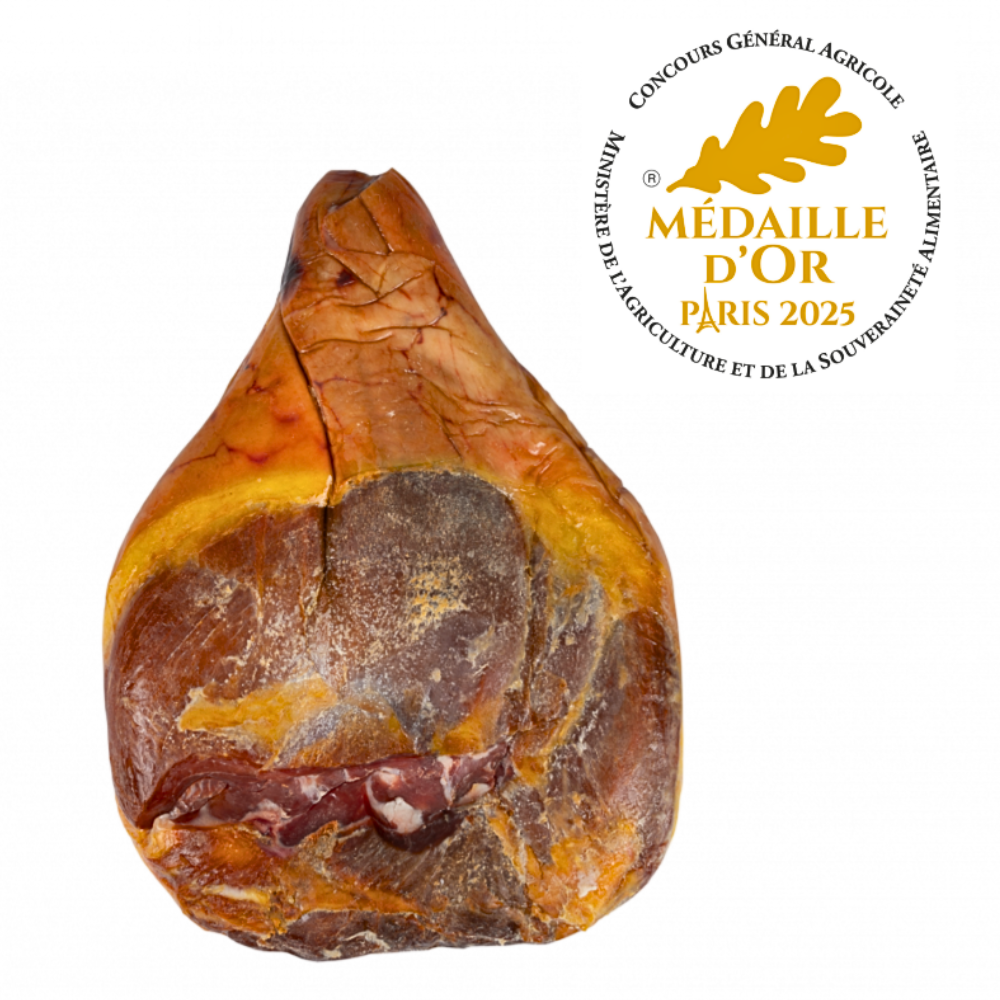
In 2025, Elizaldia’s 12-month Bayonne ham received a Gold Medal at the Concours Agricole de Paris, recognising its quality and consistency.
Bayonne ham has been produced for centuries in south-west France, supported by local pig farming, access to natural salt, and suitable drying conditions. The town of Bayonne became closely associated with the product through trade and regional food culture.
Over time, shared production rules helped shape what we now recognise as Bayonne. Today, Bayonne ham is part of everyday and festive cooking in France. It appears on market stalls, family tables, and restaurant menus, valued for its versatility and reliability. Producers like Elizaldia continue to work within the PGI framework, keeping production clear, controlled, and rooted in the region.
Recipes Featuring Bayonne Ham
Here are a few straightforward ways to use Bayonne ham at home:
- Melon and Bayonne ham: Thin slices served with ripe melon, ideal as a starter
- Eggs with Bayonne ham: Add chopped ham to softly scrambled eggs just before serving
- Bayonne ham and cheese tart: Use small pieces of ham in a savoury tart with goat’s cheese
- Ham-wrapped vegetables: Wrap asparagus or green beans in thin slices and roast briefly
Bayonne ham is ready to eat. For best results, remove it from the fridge and let it rest at room temperature before serving.
Bayonne Ham at Its Best
Bayonne ham with PGI status offers clarity: clear origin, clear rules, and a consistent result. Elizaldia’s 12-month Bayonne ham reflects careful farming, slow curing, and attention at each stage of production.